Wolf Mandala 3D Layered SVG Cut File: A Practical Review for Digital Crafters
The intersection of spiritual symbolism and modern digital fabrication has created a robust niche within the crafting community. Among the most compelling assets in this space is the Wolf Mandala 3D Layered SVG Cut File. This resource is not merely a decorative graphic; it is a structured blueprint designed to transform flat materials into dimensional art. For professionals, hobbyists, and small business owners alike, understanding the technical and aesthetic value of such files is essential before integrating them into a production workflow.
This analysis explores the utility, design complexity, and practical application of the Wolf Mandala 3D Layered SVG Cut File. We will examine its structural integrity, file versatility, and suitability for various commercial and personal projects, providing a clear picture of how it fits into contemporary craft workflows.
Understanding the Core Concept
At its foundation, the wolf serves as a potent symbol across numerous cultures, representing guardianship, loyalty, and a deep connection to the spirit world. The mandala format adds a layer of ritualistic symmetry and balance. When combined into a single design, these elements create a piece that is visually striking and emotionally resonant. However, the true innovation lies in the "3D layered" aspect. Unlike traditional single-plane decals or stickers, this design requires the user to cut multiple distinct layers and stack them to create depth and shadow effects.
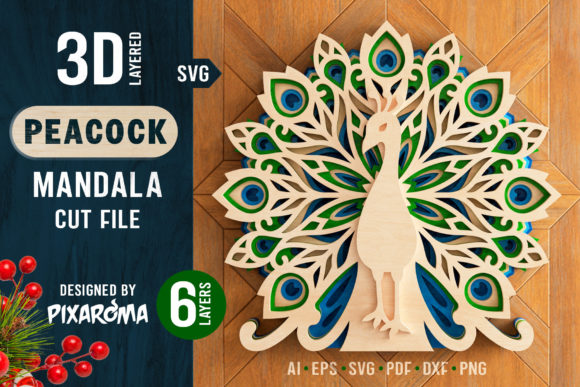
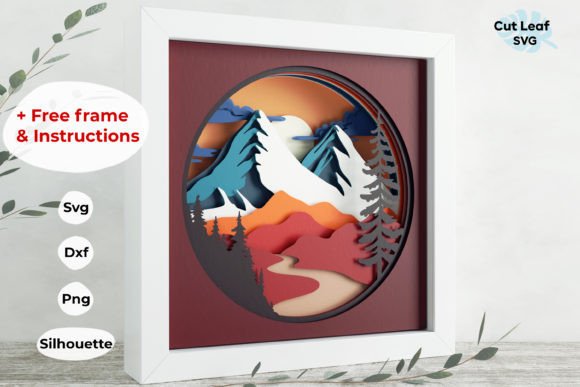
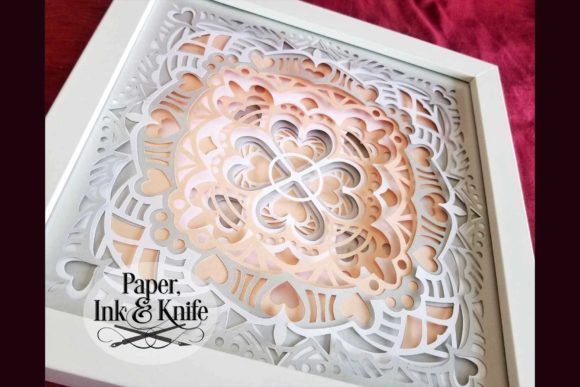
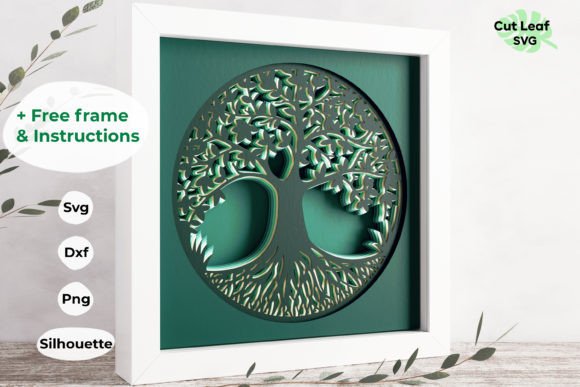
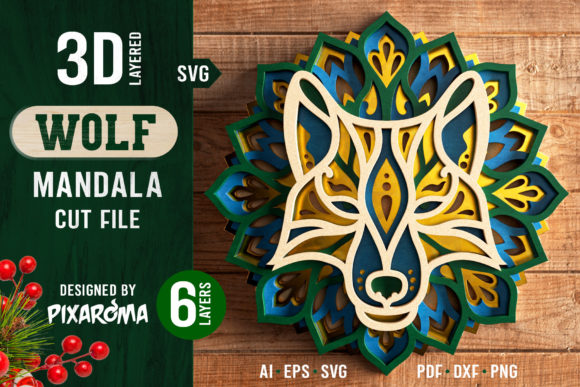
The Wolf Mandala 3D Layered SVG Cut File is engineered specifically for this purpose. It is a digital asset intended for use with computer-controlled cutting machines, such as Cricut or Silhouette. By separating the intricate details of the wolf and the mandala rings into six distinct layers, the final physical product gains a tactile quality that flat designs lack. This depth transforms simple cuts from paper or wood into sophisticated wall art, ornaments, or decorative installations.
Technical Specifications and File Composition
One of the primary considerations for any digital creator is the flexibility of the source files. The inclusion of comprehensive file formats significantly enhances the usability of this asset. Upon purchase, users receive a ZIP archive containing a diverse suite of digital tools:
- Vector Files (AI, EPS, SVG, PDF): These are crucial for precision cutting. The stacked and spread layer options allow for different assembly styles. Stacked layers are ideal for creating a unified silhouette where each layer slightly overlaps the previous one, while spread layers can be used for more open, airy designs.
- DXF File: Essential for compatibility with older software versions or specific industrial cutting plotters that may not support the latest SVG standards.
- Raster Files (JPG, PNG): These provide visual references for color planning and material selection before committing to expensive substrates like basswood or acrylic.
The presence of both vector and raster files ensures that users can plan their projects visually before cutting. The inclusion of ideas for colors and materials further streamlines the creative process, offering guidance on how different textures—such as the grain of wood versus the smoothness of vinyl—affect the final appearance of the wolf mandala.
Usability and Workflow Integration
The effectiveness of the Wolf Mandala 3D Layered SVG Cut File depends heavily on the user’s familiarity with digital cutting workflows. The process is straightforward but requires attention to detail. After downloading and extracting the ZIP archive, the user must upload the appropriate file format into their cutting software. The software then interprets the vector paths, allowing the user to scale the design to their desired dimensions without losing quality.
A critical step in this workflow is the alignment of layers. The provided quick assembly guide is an invaluable resource here. Because the design relies on precise stacking to achieve the 3D effect, even minor misalignments can disrupt the visual harmony of the mandala. Professionals often recommend using registration marks or careful manual alignment during the cutting phase to ensure that the layers nest perfectly when assembled.
The design’s complexity is manageable for intermediate users but may present a learning curve for beginners. The six-layer structure means six separate cutting operations per project. While this increases production time, it also allows for greater customization. Users can experiment with different materials for each layer—for example, using dark walnut for the outer mandala rings and light birch for the inner wolf details—to create high-contrast, professional-grade pieces.
Material Versatility and Creative Applications
The strength of this digital file lies in its material agnosticism. While often associated with paper crafts, the Wolf Mandala 3D Layered SVG Cut File performs exceptionally well with rigid materials. Wood, particularly thin plywood or basswood, is a popular choice because it holds its shape well and offers a natural aesthetic that complements the organic theme of the wolf. Acrylic sheets can produce a modern, sleek look, especially when using translucent layers to allow light to pass through the mandala patterns.
For those focusing on home decor, this design translates effectively into wall hangings. The layered depth creates shadows that change throughout the day as lighting conditions shift, adding a dynamic element to interior spaces. Alternatively, smaller scales make this file suitable for holiday ornaments, gift tags, or framed miniatures. The ability to sell physical projects derived from this file makes it a valuable asset for entrepreneurs looking to expand their inventory with unique, handcrafted items.
Evaluating Quality and Long-Term Value
From a quality standpoint, the vector paths in the Wolf Mandala 3D Layered SVG Cut File appear clean and optimized for cutting. There are no unnecessary anchor points or overlapping lines that could cause errors in the cutting machine. This technical cleanliness reduces the risk of wasted material, which is a significant cost factor for serious hobbyists and small business owners.
The long-term value of this asset is high due to its versatility. Once purchased, the digital file can be used indefinitely for personal projects or commercial goods, subject to the licensing terms provided by the creator. This royalty-free potential allows creators to build a brand around nature-inspired, spiritually themed decor without recurring costs. Furthermore, the detailed nature of the design means it stands out in a market saturated with simpler, single-layer graphics.
Target Audience and Ideal Use Cases
This resource is best suited for individuals who appreciate detailed craftsmanship and have access to cutting machinery. It is particularly beneficial for:
- Small Business Owners: Those selling on platforms like Etsy or at local markets can use this file to create premium-priced items that justify higher margins due to their complexity and perceived value.
- Hobbyist Crafters: Individuals looking to challenge their skills and create intricate home decor will find the six-layer assembly process rewarding.
- Educators and Workshop Leaders: The file can serve as a template for teaching classes on digital cutting, layering techniques, and material science.
However, it may not be ideal for users seeking quick, low-effort projects. The time required to cut, weed, and assemble six layers is substantial. Additionally, users without experience in aligning multi-layered components may need to practice on scrap material before attempting finished pieces.
Practical Recommendations and Limitations
To maximize the potential of the Wolf Mandala 3D Layered SVG Cut File, consider the following practical tips. First, always test your cut settings on a small sample of your chosen material before committing to the full project. Different materials react differently to blade pressure and speed, and getting these settings right prevents damage to both the material and the machine blade.
Secondly, leverage the raster images included in the package to plan your color palette. If you are using wood, choose species with contrasting grains. If you are painting, consider staining some layers and leaving others natural to enhance the three-dimensional effect. Finally, invest in good-quality adhesive or mechanical fasteners if you intend to display the piece as a permanent fixture. Standard glue sticks may not provide enough hold for heavier materials like wood or acrylic.
In conclusion, the Wolf Mandala 3D Layered SVG Cut File represents a thoughtful blend of symbolic artistry and technical precision. It offers a versatile, high-quality foundation for creating meaningful, dimensional art. Whether used for personal enjoyment or commercial gain, it provides the tools necessary to produce professional results, provided the user is willing to engage with the layered assembly process. For those seeking to add depth and narrative to their craft projects, this file is a worthwhile investment.