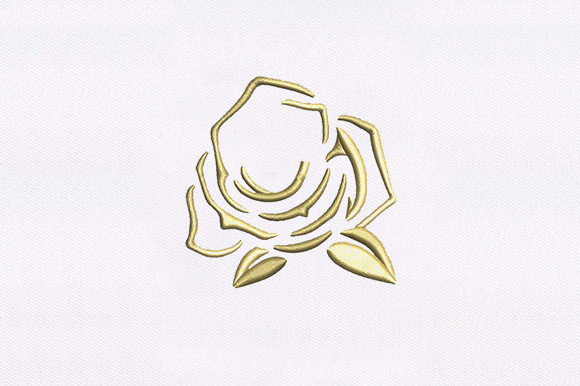
Elevating Your Craft: The Artistic Impact of the Rose 3D Puff Embroidery Design
In the world of machine embroidery, there is a distinct difference between a design that simply looks good on a flat screen and one that commands attention in three-dimensional space. Among the myriad of options available to hobbyists and professionals alike, few capture the essence of luxury and texture quite like the Rose 3D Puff embroidery design. This stunning rose embroidery inspires grace and elegance, transforming ordinary fabrics into tactile masterpieces. It is not merely a pattern; it is an invitation to explore the limits of thread density, foam stability, and mechanical precision.
Adding this design to your most exquisite projects allows you to notice immediately how it takes them to the highest levels. Whether you are customizing high-end apparel, creating sentimental gifts, or producing boutique merchandise, the visual weight and depth provided by puff printing techniques can be the deciding factor between a standard product and a premium keepsake. However, achieving that perfect "puff" requires more than just hitting the start button on your embroidery machine. It demands an understanding of materials, tension, and technique.
Understanding the Anatomy of 3D Puff Embroidery
To truly appreciate why the Rose 3D Puff is such a sought-after asset for your digital library, one must first understand what makes puff embroidery unique. Unlike flat satin stitches that lie flush against the fabric, puff embroidery utilizes a special foam material placed underneath the stitching area. As the needle pierces through the top layers of thread and the foam, the foam expands, pushing the threads upward to create a raised, textured effect. This process mimics the look of vintage trucker hats or collegiate letterman jackets, but with the sophistication of a floral motif.
The challenge lies in execution. If the tension is too loose, the threads will pucker and distort the shape of the rose. If the foam is too thick or low-quality, it may not expand evenly, leading to a lumpy finish. Conversely, if the underlay stitches are insufficient, the entire design might shift during the embroidery process, ruining the symmetry of the petals. This is where pre-digitized files become invaluable. A well-crafted file accounts for these variables, providing the necessary structure for the machine to follow.
Why Choose a Rose Motif?
Roses have long been symbols of love, beauty, and timeless elegance. In embroidery, they offer a complex structure of overlapping petals that benefit greatly from dimensionality. A flat rose can sometimes appear two-dimensional or even muddy if the color palette is dark. By utilizing the Rose 3D Puff technique, each petal gains volume, shadow, and definition. The raised texture catches light differently across the surface, creating natural highlights and depths that mimic the organic curves of a real flower.
This design is particularly effective when used on structured fabrics like cotton twill, denim, or wool blends—materials commonly found in caps, bags, and outerwear. The stiffness of these fabrics supports the foam expansion better than soft knits, ensuring that the final product retains its shape and does not sag over time.
Technical Versatility and Format Compatibility
One of the most practical advantages of modern digital embroidery designs is their accessibility. The Rose 3D Puff design comes with multiple embroidery file formats, ensuring compatibility with a wide range of hardware. Whether you are working with a domestic machine like a Brother or Janome, or a professional multi-needle industrial unit like a Tajima or Barudan, there is likely a version of this file that fits your setup.
- PES Format: Ideal for Brother machines, this format is widely recognized and easy to manage for home embroiderers.
- DST Format: The industry standard for commercial machines, ensuring precise stitch placement in high-volume production environments.
- JEF and XXX Formats: Commonly used by Janome and Babylock users, respectively, offering robust support for complex stitch types.
- HUS and VP3: Essential for Husqvarna Viking and Pfaff machines, allowing for specific customization features native to those brands.
This versatility means you do not need to worry about proprietary lock-ins. You can purchase the design once and use it across different machines, whether you are upgrading your home studio equipment or collaborating with a print shop that uses different technology. Always check the specific requirements of your machine’s software, but rest assured that comprehensive packages usually include conversion tools or multiple native formats to save you time.
Practical Considerations for Success
While the potential for beauty is high, the margin for error in 3D puff embroidery is narrow. Here are several critical factors to consider before starting your project with the Rose 3D Puff design.
Material Selection
The choice of fabric is paramount. Avoid stretchy jersey or thin silks unless you are using a heavy stabilizer and hoop tape. Cotton duck canvas, denim, and felt are excellent choices because they provide a stable base for the foam. Additionally, the type of foam matters. Standard puff foam sheets come in various thicknesses, typically ranging from 1mm to 4mm. For a delicate rose design, a thinner foam (around 2mm) often yields a more refined look, whereas thicker foam creates a bolder, streetwear-inspired aesthetic.
Tension Adjustments
Because the needle has to penetrate through both the thread and the foam, resistance increases. You may need to slightly loosen your top thread tension to prevent thread breakage. However, loosening it too much can cause loops on the underside. It is advisable to run a test stitch on a scrap piece of fabric with the same foam and stabilizer combination. Watch the first few stitches closely to ensure the foam is being pierced cleanly without excessive resistance.
Stabilization Strategies
Proper stabilization prevents the fabric from shifting as the foam expands. Cut-away stabilizers are generally recommended for puff embroidery because they provide permanent support. Tear-away stabilizers can sometimes leave residue or fail to hold up under the pressure of expanding foam. For caps, a specialized cap frame and rigid backing are essential to maintain the curvature of the brim while the design is stitched.
Integrating Rose 3D Puff into Modern Workflows
In today’s DIY and small-business landscape, personalization is key. Consumers are increasingly drawn to items that feel handmade or bespoke. Incorporating the Rose 3D Puff design into your workflow can significantly increase the perceived value of your products.
Consider the following applications:
- Bridal and Wedding Accessories: Imagine a monogrammed towel or a groom’s pocket square featuring a subtle, raised rose. The elegance of the puff effect adds a touch of romance without being overly flashy.
- Corporate Branding: Companies looking to stand out at trade shows might opt for puff-embroidered polo shirts or tote bags. The texture draws the eye and suggests quality craftsmanship.
- Sports Teams and Clubs: While numbers and letters are traditional for puff, adding a mascot or logo element like a rose can soften the image of a team or add a unique flair to a club’s merchandise.
- Home Decor: Large-scale puff roses can be embroidered onto cushion covers or wall hangings, adding a sculptural element to interior design.
By leveraging the Rose 3D Puff design, you are not just selling an embroidered item; you are selling an experience. The tactile nature of the finished piece invites customers to touch and feel the quality, creating a stronger emotional connection to the product.
Final Thoughts on Elevating Your Projects
The journey from a digital file to a tangible, three-dimensional object is one of the most rewarding aspects of embroidery. The Rose 3D Puff design stands out as a testament to what is possible when technology meets artistic vision. It inspires grace and elegance, turning simple stitches into a statement of sophistication.
As you experiment with this design, remember that practice is essential. Every machine behaves slightly differently, and every batch of foam may react uniquely to heat and pressure. But with the right preparation, proper file formats, and a keen eye for detail, you can consistently produce results that take your projects to the highest levels. Whether you are a seasoned pro or just beginning to explore the world of puff embroidery, adding this rose design to your repertoire is a step toward greater creativity and professional excellence.