Connecticut, 3D Layered Tropical: A Comprehensive Evaluation for CNC and Laser Projects
The intersection of digital fabrication and traditional woodworking has given rise to a variety of accessible design projects that bridge the gap between professional manufacturing and hobbyist creativity. Among these, the Connecticut, 3D Layered Tropical project stands out as a practical example of how vector-based designs can be adapted for both CNC routing and laser cutting. This article provides an objective evaluation of this specific plywood design, exploring its technical specifications, assembly process, material considerations, and suitability for various production scales.
Understanding the Connecticut, 3D Layered Tropical Project
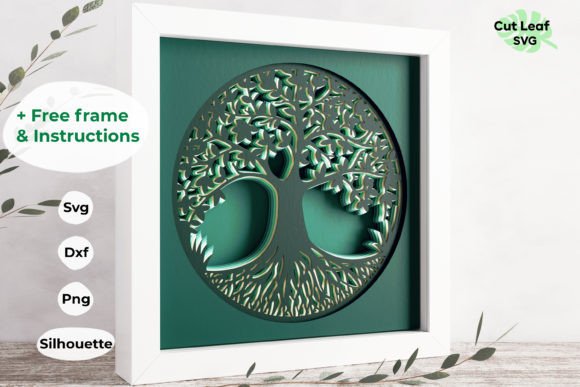
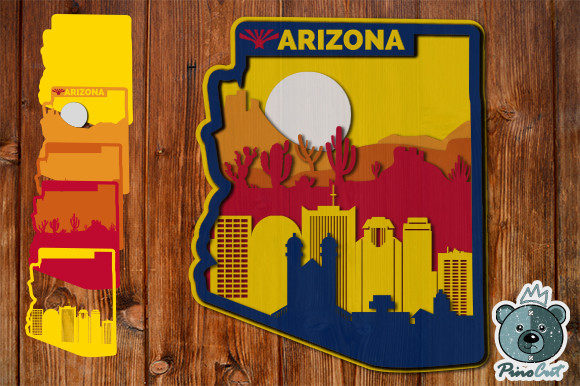
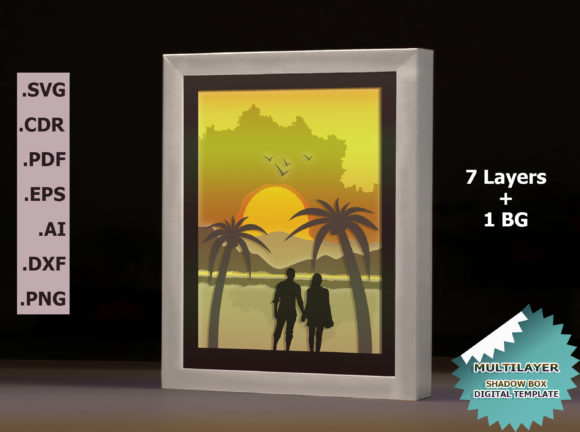
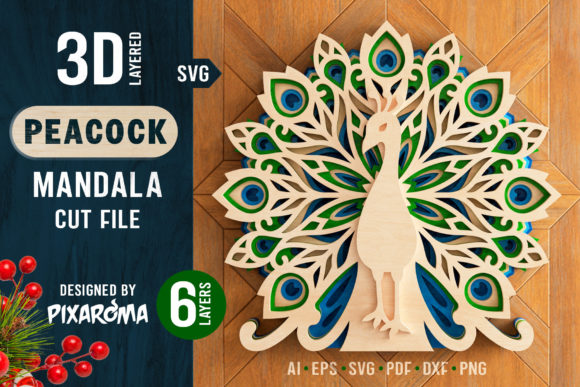
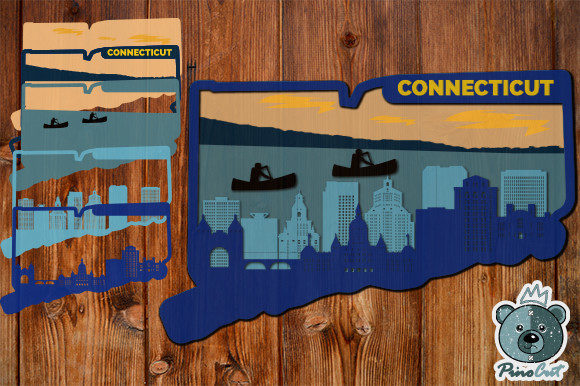
At its core, the Connecticut, 3D Layered Tropical is a decorative architectural element or artistic panel characterized by its multi-dimensional aesthetic. The design utilizes a layered approach, where distinct vector shapes are cut from flat sheets of material and stacked or interlocked to create depth and visual interest. The "Tropical" designation suggests organic motifs—such as leaves, floral patterns, or natural textures—that evoke a lush, vibrant atmosphere.
This project is not merely a static image but a structural plan. It relies on precise electronic vector drawings that define the cutting paths for each layer. By separating the design into individual components, the final product achieves a three-dimensional effect without requiring complex joinery or adhesives in many configurations. The result is a piece that combines modern digital precision with the warmth of natural wood aesthetics.
Technical Specifications and File Format
A significant advantage of this project is its accessibility regarding file formats. The design files are provided in a standard vector format suitable for computer numerical control (CNC) machines and laser cutters. These files are typically archived, allowing users to download the entire package easily. The vector nature of the drawing ensures that the lines are scalable and precise, which is critical for maintaining the integrity of the layered structure.
The inclusion of a vector cutting plan within the archive simplifies the workflow for the user. Instead of creating the design from scratch, which requires advanced CAD (Computer-Aided Design) skills, the user receives a pre-optimized layout. This plan often includes nesting instructions to maximize material usage, reducing waste during the cutting process. For those using laser cutters, the vector lines are specifically tuned to handle kerf widths and burn marks appropriately, ensuring clean edges.
Material Considerations: Plywood vs. Wood
While the project can technically be executed using solid wood, the recommendation strongly favors 3mm plywood. This choice is driven by several practical factors related to cost, availability, and workability.
- Cost Efficiency: 3mm plywood is generally more economical than solid hardwoods of equivalent size. This makes it an ideal choice for mass production or for hobbyists who may need to produce multiple units.
- Dimensional Stability: Thin plywood layers are less prone to warping compared to thicker solid wood pieces, especially when exposed to humidity changes. This stability is crucial for layered designs where alignment between parts is key.
- Cutting Performance: Both laser cutters and CNC routers handle 3mm plywood efficiently. The machine settings required for this thickness are standard and well-documented, reducing the trial-and-error phase of setup.
However, there are tradeoffs. Plywood consists of glued veneers, which means the edge grain will show the layers of the wood. In some high-end applications, this might be considered less aesthetically pleasing than the continuous grain of solid wood. Additionally, the quality of the plywood matters; cheaper grades may contain voids or uneven glue lines that can affect the finish or structural integrity of delicate cuts.
Assembly and Customization
One of the most compelling aspects of the Connecticut, 3D Layered Tropical project is its ease of assembly. The design is engineered to be straightforward, often relying on friction fits, simple stacking, or minimal adhesive application. This simplicity makes it accessible to makers with varying levels of experience.
Furthermore, the project offers significant flexibility in customization. Once the pieces are cut, they are not bound to their original material appearance. Users have the freedom to:
- Paint the components: Applying paint in any color allows for complete thematic adaptation. A tropical theme can be rendered in bright greens and blues, or transformed into a monochromatic sculpture through painting.
- Add decorative elements: The flat surfaces of the layers provide ample space for additional embellishments, such as vinyl decals, inlays, or lighting integration.
- Modify the layout: Since the source files are editable vector drawings, users can adjust the spacing, scale, or even the complexity of the layers to suit specific spatial requirements.
Evaluation of Use Cases and Suitability
When determining whether the Connecticut, 3D Layered Tropical is the right choice for your needs, it is helpful to look at specific scenarios where this project excels.
Ideal Scenarios
Mass Production and Small Business: Due to its economical nature and ease of assembly, this project is highly suitable for small batch manufacturing. Businesses selling home decor items can produce these panels quickly using automated CNC or laser equipment, keeping labor costs low while maintaining high output.
Educational Settings: For schools or maker spaces teaching digital fabrication, this project serves as an excellent introductory task. It demonstrates the principles of vector cutting, layering, and assembly without overwhelming complexity.
Interior Decoration: The tropical motif adds a distinctive character to interior spaces. Whether used as a room divider, a wall accent, or a standalone art piece, the 3D effect creates visual depth that flat graphics cannot achieve.
Alternatives and Limitations
While the project is versatile, it may not be the best fit for all situations. If the goal is to create heirloom-quality furniture with visible end-grain aesthetics, solid wood carving or traditional joinery might be more appropriate. Similarly, if the budget does not allow for access to laser or CNC machinery, the initial investment in equipment could outweigh the benefits of using a pre-made vector file.
Additionally, the reliance on thin materials means that the final product may lack the robustness required for high-traffic commercial flooring or heavy-load structures. It is strictly a decorative or light architectural element.
Practical Decision-Making Insights
To determine if this project aligns with your goals, consider the following questions:
- Do you have access to digital fabrication tools? Without a CNC router or laser cutter, the value of the vector files is limited unless you outsource the cutting.
- What is your skill level with vector software? While modification is optional, being able to open and edit SVG or DXF files allows for greater creative control over the final design.
- Is consistency important? If you plan to produce multiple identical units, the vector-based nature of this project ensures uniformity across all copies, which is difficult to achieve with hand-cut methods.
Conclusion
The Connecticut, 3D Layered Tropical project represents a smart convergence of digital design and physical craftsmanship. By providing ready-to-use vector files optimized for 3mm plywood, it lowers the barrier to entry for creating complex, three-dimensional wooden art. Its strength lies in its adaptability, cost-effectiveness, and ease of assembly. Whether for personal decoration, educational purposes, or small-scale commercial production, this project offers a reliable and visually striking solution. However, potential users should weigh the need for specialized equipment against the benefits of the streamlined workflow. For those equipped to utilize CNC or laser technology, this design provides a efficient path to producing high-quality, customizable tropical-themed decor.