Bringing the Illinois Forest to Life: Mastering the 3D Layered Tropical CNC Plywood Project
In the rapidly evolving landscape of digital fabrication and DIY craftsmanship, few projects capture the imagination quite like Illinois, 3D Layered Tropical. This intricate design is not merely a decorative piece; it is a testament to the power of modern technology meeting traditional artistry. Whether you are a hobbyist looking to add a unique focal point to your home office in Chicago, a small business owner exploring mass production opportunities, or an educator demonstrating the capabilities of Computer Numerical Control (CNC) machinery, this project offers a perfect blend of aesthetic appeal and technical feasibility.
The "Illinois" series draws inspiration from the diverse natural landscapes of the Midwest, but with a twist: it reimagines tropical foliage through a geometric, layered lens. The result is a stunning three-dimensional wall art or room divider that plays with light and shadow. In this guide, we will explore everything you need to know about executing this project, from the initial vector files to the final assembly and finishing touches.
Understanding the Core Concept: What is 3D Layered Art?
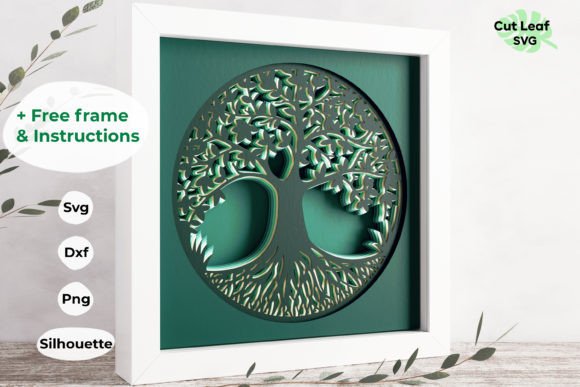
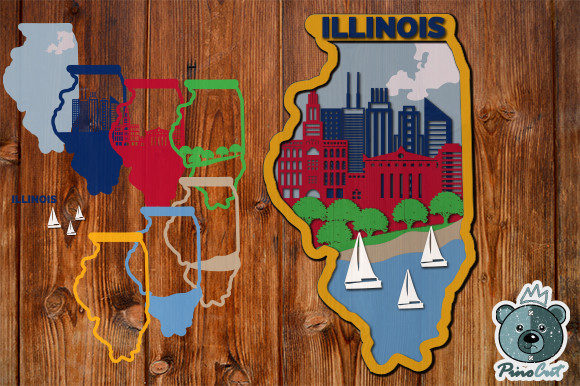
At its heart, 3D layered art involves cutting multiple identical or slightly varied shapes from flat materials and stacking them to create depth. Unlike traditional sculpture, which might involve carving away material (subtractive manufacturing), this method builds volume by adding layers (additive assembly). For the Illinois, 3D Layered Tropical project, this technique allows for complex organic shapes—such as palm fronds, monstera leaves, and exotic flowers—to be rendered with precision using simple plywood sheets.
This approach is significant because it democratizes high-quality interior design. Historically, such intricate woodwork required skilled artisans spending dozens of hours hand-carving each element. Today, with the right digital files and a CNC router, you can achieve museum-quality results in a fraction of the time. The visual impact comes from the interplay between the layers; as light hits the edges of the stacked plywood, it creates dynamic shadows that change throughout the day, bringing the "tropical" theme to life even in non-tropical climates like Illinois.
The Technical Foundation: Vector Drawings and Digital Preparation
Before any wood is cut, the project begins in the digital realm. One of the greatest advantages of purchasing or utilizing pre-made designs for CNC projects is the convenience of having vector drawing files in electronic format. These files, typically in formats like .DXF, .AI, or .SVG, contain the mathematical instructions necessary for your machine to follow.
For the Illinois, 3D Layered Tropical project, the provided package includes a comprehensive vector cutting plan. This is crucial for several reasons:
- Precision: Vector graphics ensure that every curve of the leaf and every branch of the tree is mathematically perfect, eliminating the jagged edges often associated with raster-based image editing.
- Scalability: Because vectors are resolution-independent, you can resize the design from a small desktop ornament to a massive floor-standing installation without losing quality.
- Laser Compatibility: While designed for CNC routers, these files are also fully suitable for laser cutting. This flexibility allows makers to choose their preferred tool based on availability and desired edge finish.
It is important to note that all files are conveniently archived. This means you receive a single, organized download containing all necessary components. There is no need to hunt down separate pieces or worry about corrupted data. You simply extract the archive, and your workspace is ready.
Material Selection: Why 3mm Plywood?
When embarking on this project, material choice is paramount. While the design can technically be executed in various substrates, we strongly recommend using 3mm plywood for the best results. Here is why this specific thickness is ideal for the Illinois, 3D Layered Tropical model:
- Detail Resolution: The tropical design features delicate veins in leaves and fine stems. Thicker materials (like 6mm or 12mm plywood) may make it difficult to cut these intricate details without breaking fragile parts. 3mm provides the perfect balance of strength and delicacy.
- Weight Management: As you stack multiple layers to achieve the 3D effect, the total weight increases. Using 3mm plywood keeps the final product lightweight enough to be mounted on standard drywall or hung easily, while still being sturdy enough to hold its shape.
- Cutting Efficiency: Both CNC routers and laser cutters operate more efficiently on thinner materials. This reduces machining time, lowers energy consumption, and extends the life of your cutting tools.
However, if you prefer a more rustic look or are working with a larger scale, you can certainly adapt the design for solid wood or thicker plywood. Just remember to adjust your layer spacing accordingly to maintain the intended visual depth.
From File to Physical Object: The Workflow
One of the most appealing aspects of this project is its streamlined workflow. The process is designed to be very economical and easy to assemble, making it an excellent candidate for both personal projects and commercial ventures.
Step 1: Download and Modify
Once you have downloaded the archived file, open the vector software compatible with your machine (such as Adobe Illustrator, CorelDRAW, or Inkscape). The beauty of this digital asset is that it is fully editable. You can modify the design layout to suit your requirements. Perhaps you want to change the arrangement of the leaves, remove certain elements to simplify the build, or adjust the overall dimensions to fit a specific wall space. This flexibility ensures that the final product feels personal and tailored to your environment.
Step 2: Cutting
Load your chosen 3mm plywood into your CNC router or laser cutter. Use the included drawing-vector cutting plan to set up your job. Ensure that your machine is calibrated correctly for the material thickness. If you are using a CNC router, a small bit size (such as 1/8 inch or 3mm) will help capture the finer details. If using a laser, ensure adequate ventilation and appropriate power settings to avoid excessive charring, especially if you plan to paint over the wood later.
Step 3: Assembly
After cutting, you will have a collection of flat wooden pieces. The assembly process involves stacking these layers according to the design's depth map. Typically, this is done using strong adhesive (such as wood glue or hot glue) or mechanical fasteners if the design includes slots and tabs. Because the layers are uniform in thickness, achieving consistent spacing is straightforward, resulting in a clean, professional-looking gradient effect.
Finishing Touches: Painting and Decoration
While the natural grain of plywood adds warmth and character to the Illinois, 3D Layered Tropical design, many creators choose to enhance it further. After cutting and assembling, you can paint in any color or decorate with additional elements.
Painting Tips:
- Priming: Start with a light primer to seal the wood and prevent the grain from bleeding through your topcoat.
- Color Theory: Consider using a monochromatic palette for a modern look, or vibrant greens and yellows to emphasize the "tropical" theme. You can even use ombre techniques, painting the back layers darker and the front layers lighter to enhance the illusion of depth.
- Sealing: Once painted, apply a clear matte or satin varnish to protect the surface and give the piece a polished finish.
You can also incorporate mixed media. Adding metallic accents, embedding LED lights behind the layers for a glowing effect, or attaching small natural elements like dried moss can transform the piece into a truly unique statement item.
Why This Project Matters: Economic and Creative Impact
Beyond its aesthetic value, the Illinois, 3D Layered Tropical project holds significant relevance for modern makers and entrepreneurs. Its simplicity and efficiency make it great for mass production.
For small businesses, this means you can produce high-margin, low-labor products. Since the design is digital, there is no need for expensive molds or tooling changes. You can order raw materials in bulk, automate the cutting process, and assemble the units quickly. This scalability allows artisans to compete in markets previously dominated by large-scale manufacturers.
Furthermore, this project highlights the intersection of technology and sustainability. By using plywood—a material often made from fast-growing, renewable resources—and minimizing waste through precise CNC cutting, makers can reduce their environmental footprint. It encourages a shift towards thoughtful consumption, where items are built to last and designed with intention.
Common Misconceptions Addressed
There are a few common assumptions about CNC woodworking that this project helps to dispel.
Misconception 1: "I need to be an expert coder."
Reality: With pre-made vector files, you do not need to write G-code from scratch. Most CAM software can automatically generate the necessary code from the provided DXF or SVG files, requiring only basic setup knowledge.
Misconception 2: "The results will look cheap."
Reality: When executed with care—using smooth-cutting tools, proper adhesives, and thoughtful finishing—the layered effect looks sophisticated and high-end. The key lies in the consistency of the layers and the quality of the final coat.
Conclusion
The Illinois, 3D Layered Tropical project is more than just a weekend craft; it is a gateway into the world of digital fabrication. It combines the timeless beauty of nature with the precision of modern technology, offering a rewarding experience for makers of all skill levels. By leveraging the provided electronic format files, choosing the right materials like 3mm plywood, and embracing the creative freedom to modify the design layout, you can create a masterpiece that stands out in any setting.
Whether you are looking to enrich your own living space, gift a unique handmade item, or start a side hustle in custom decor, this project provides a robust, economical, and visually stunning foundation. Download the files, fire up your machine, and let your creativity take root.