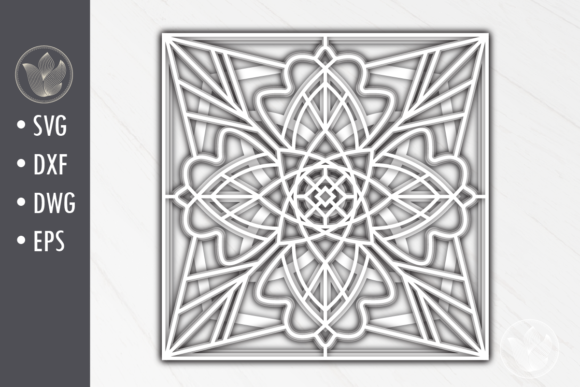
3d Multi-layer Mandala, Paper Cut
There is a distinct difference between a flat graphic and an object that commands attention. When you look at a standard vector illustration, it sits passively on the canvas. But when you introduce depth, shadow, and physical dimension, the design suddenly breathes. This is where the 3d Multi-layer Mandala, Paper Cut asset steps in. It is not merely a decorative element; it is a structural design solution that bridges the gap between digital precision and tactile artistry. For designers, crafters, and brand strategists looking to add a layer of sophistication to their projects, this multi-layered mandala offers a unique blend of geometric complexity and organic warmth.
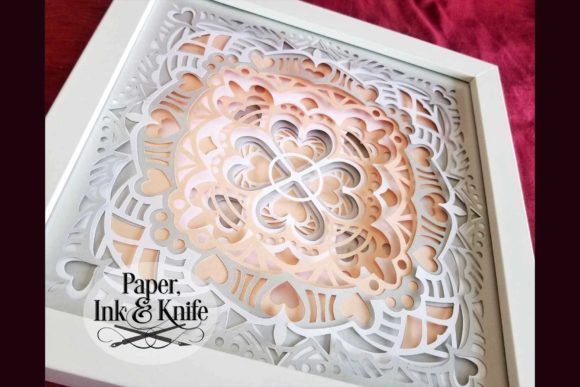
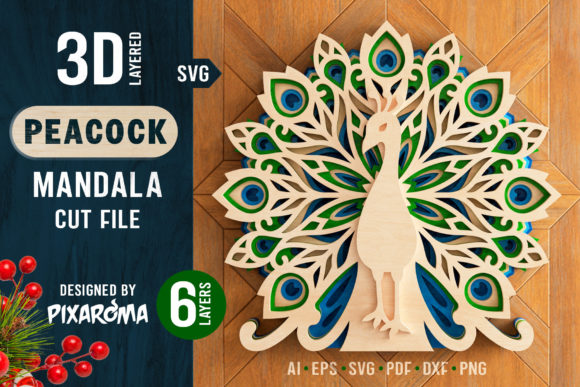
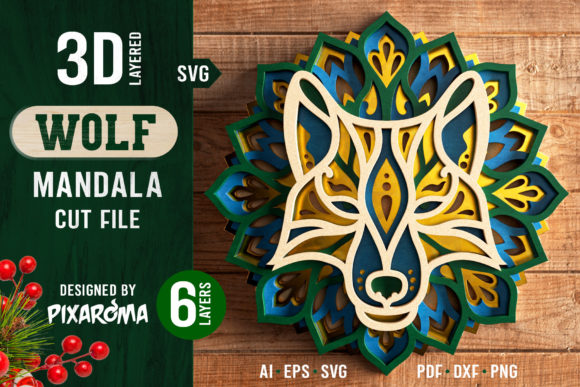
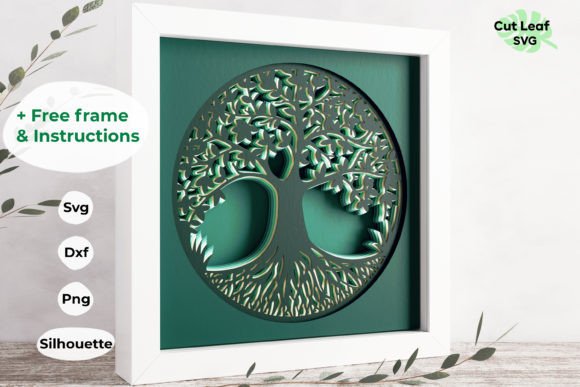
The core appeal of this design lies in its construction. Unlike traditional single-path vectors, this mandala is built with four distinct layers. Each layer is meticulously cut to interlock or stack, creating a true three-dimensional effect when assembled. The visual result is reminiscent of intricate paper-cutting traditions, where negative space is just as important as the positive form. The shadows cast by each successive layer give the mandala a sense of volume and movement, making it feel alive rather than static. This quality makes it exceptionally versatile for applications ranging from high-end packaging to immersive event decor.
Understanding the Architecture of Depth
To appreciate the utility of this asset, one must understand how it functions technically and visually. The design utilizes a technique often seen in shadow box art, but optimized for scalability and ease of assembly. The four layers are designed to be glued together, allowing the user to control the final depth profile. By adjusting the spacing between layers—or simply by stacking them flush—you can alter the intensity of the shadows and the overall silhouette of the mandala. This flexibility is crucial for brand identity work, where consistency in visual weight is paramount.
The aesthetic personality of the 3d Multi-layer Mandala, Paper Cut is one of refined elegance. It avoids the clutter often associated with complex mandalas by relying on clean lines and precise symmetry. The style leans towards modern minimalism within a traditional framework. It feels contemporary because of the sharp edges and the deliberate use of negative space, yet it retains the timeless appeal of sacred geometry. This duality allows it to fit seamlessly into various design contexts without feeling out of place. Whether used in editorial design for a luxury magazine cover or as a central motif in packaging design for artisanal goods, the mandala conveys a message of craftsmanship and attention to detail.
From a practical standpoint, the inclusion of multiple file formats—SVG, DXF, DWG, and EPS—ensures compatibility across a wide range of software and hardware. Designers working in Adobe Illustrator can utilize the SVG and EPS files for screen-based projects, while those involved in physical production can leverage the DXF and DWG files for CNC routers, laser cutters, or plotter machines. This cross-platform versatility reduces friction in the workflow, allowing creative professionals to move from concept to prototype without conversion errors or lost data.
Strategic Applications Across Media
The versatility of this mandala extends far beyond simple decoration. In the realm of logo design, it can serve as a powerful emblem for brands that value heritage, mindfulness, or intricate craftsmanship. Imagine a wellness brand using this mandala as part of its logo lockup; the three-dimensional aspect adds a premium feel that a flat icon cannot achieve. Similarly, in web design, subtle animations can mimic the layering effect, creating an engaging user experience that draws visitors deeper into the content.
For marketers and social media managers, the 3d Multi-layer Mandala, Paper Cut offers a standout visual for social media graphics. In an era where users scroll past hundreds of images daily, a design with perceived depth stops the thumb. The interplay of light and shadow creates a focal point that naturally attracts the eye. This is particularly effective for promotional materials, event invitations, or holiday-themed campaigns where a festive yet sophisticated tone is desired.
In the physical world, the impact is even more pronounced. Crafters and hobbyists can use the provided DXF and DWG files to create custom home decor items. A large-scale version of the mandala, cut from wood or acrylic, can become a stunning wall installation. Smaller versions can be assembled into jewelry, bookmarks, or greeting cards. The 20x20-inch base size provides a generous canvas that can be scaled down for small accessories or blown up for large-format prints without losing integrity. This scalability is a key advantage for small business owners who need adaptable assets for different product lines.
Maximizing Visual Hierarchy and Readability
While the mandala is primarily a graphical element, its integration into typographic layouts requires thoughtful consideration. When pairing this design with text, it is essential to maintain a clear visual hierarchy. The complexity of the mandala means it should generally act as a background or framing device rather than competing with primary copy. Using a clean sans serif font or a classic serif font can provide the necessary contrast to ensure readability. The goal is to let the mandala enhance the message, not obscure it.
Consider the context of commercial font usage. If you are designing a book cover or a brochure, placing the mandala behind the title text can create a sense of depth and importance. The layered effect draws the eye toward the center of the composition, naturally guiding the viewer’s focus to the most critical information. This strategic placement improves audience engagement by reducing cognitive load; the design leads the reader exactly where you want them to look.
Furthermore, the ability to scale the design to any ratio ensures that it remains crisp and legible regardless of the output medium. Whether printed on a tiny label or projected on a large screen, the vector nature of the files guarantees sharp edges and smooth curves. This consistency is vital for maintaining a professional brand image across all touchpoints. Inconsistent rendering can undermine trust, whereas a high-quality, scalable asset reinforces reliability and expertise.
Practical Guidance for Implementation
When incorporating the 3d Multi-layer Mandala, Paper Cut into your projects, start by evaluating the project’s spatial requirements. Determine if the design will be viewed digitally or physically, as this influences the choice of file format and color palette. For digital use, consider adding drop shadows in your design software to simulate the physical layering before producing the final asset. For physical production, test the glue points and alignment marks to ensure a seamless assembly process.
It is also advisable to experiment with material choices. While paper is the obvious nod to the "paper cut" name, other materials like thin wood, metal, or plastic can yield striking results. The choice of material affects the weight, durability, and aesthetic tone of the final piece. For instance, a metallic finish might lend a futuristic edge to the traditional mandala shape, while natural kraft paper emphasizes eco-friendliness and authenticity.
Finally, always review the licensing terms associated with the asset. As a commercial font and design asset, understanding the scope of use is critical for protecting your intellectual property rights. Ensure that the license permits the intended application, whether it is for personal hobbies or large-scale commercial distribution. By adhering to these guidelines, you can fully leverage the potential of this dynamic design tool, creating work that is not only visually captivating but also strategically sound and professionally executed.