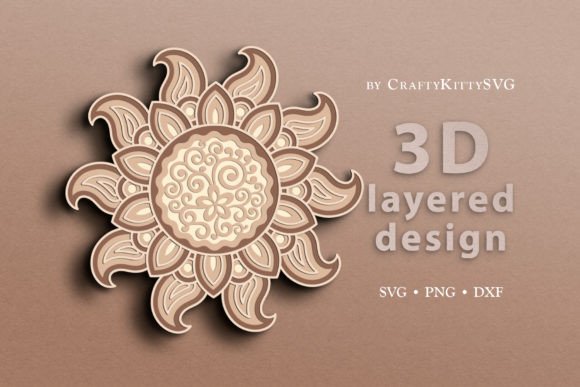
3D Layered Floral Sun SVG Cut File
Crafting projects that pop off the page require more than just a simple silhouette. When you are looking to add depth, texture, and visual interest to your designs, a 3D Layered Floral Sun SVG Cut File offers a sophisticated solution that transforms flat materials into dimensional art. This specific digital asset is designed for creators who want to move beyond basic single-layer cuts and embrace the rich aesthetic of layered paper engineering. Whether you are preparing for a wedding invitation suite, creating home decor accents, or producing inventory for an online shop, understanding how to properly utilize this file can make the difference between a mediocre project and a professional-grade masterpiece.
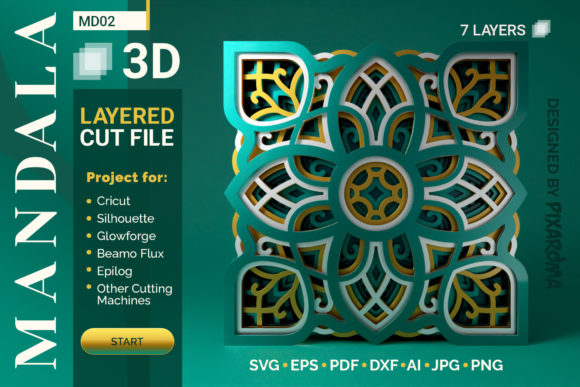
The core appeal of this design lies in its four distinct layers. Unlike standard vector files that rely on intricate internal cutting lines to create detail, a 3D layered design uses separate shapes that stack on top of one another. The result is a sunburst motif adorned with floral elements that cast subtle shadows and create a sense of movement. However, simply downloading the file is only the first step. Many crafters stumble when they attempt to assemble these designs without a clear plan for layering, color coordination, and material selection. To help you avoid common pitfalls and ensure your final product looks as stunning as the preview images suggest, let us explore the practical aspects of working with this multi-layered vector set.
Understanding the File Formats and Compatibility
One of the primary advantages of purchasing a high-quality digital cut file is the variety of formats included. A typical package for a 3D Layered Floral Sun SVG Cut File will include several extensions, each serving a specific purpose in your workflow. It is crucial to understand which file type corresponds to which machine to avoid compatibility errors that can waste time and materials.
- SVG (Scalable Vector Graphics): This is the gold standard for most modern cutting machines. An SVG file contains editable vector data, meaning you can resize the design infinitely without losing quality. It is fully compatible with Cricut Design Space, Glowforge, and other cloud-based or desktop software. For laser engravers like the Glowforge, the SVG allows for precise control over cut lines and engrave areas.
- DXF (Drawing Exchange Format): If you prefer using Silhouette Studio or older CNC laser machines, the DXF file is your best friend. While it shares many similarities with SVGs, it is often preferred by users who work within the Silhouette ecosystem or need to import vectors into CAD software for industrial applications.
- PNG (Portable Network Graphics): These are raster images, not vectors. They are included primarily for reference or for use in printing applications where vector editing is not required. Note that PNGs cannot be resized significantly without pixelation, so do not attempt to use them for large-scale cutting projects.
A common mistake beginners make is trying to open an SVG file in a program that does not support vector editing, such as Microsoft Word or basic image viewers. Always ensure your software is capable of interpreting path data before you begin designing. Additionally, remember that the colors shown in the product preview are purely illustrative. The software will likely default to black or a neutral color. You have the freedom to change these colors in your cutting software to match your specific theme, whether that is a pastel spring palette or a bold metallic finish.
Selecting the Right Materials for Depth and Durability
The success of a 3D layered design depends heavily on the material you choose. Because the design relies on stacking layers, the thickness and rigidity of your substrate play a significant role in the final look. Using paper that is too thin may cause the layers to collapse under their own weight or fail to hold their shape. Conversely, materials that are too thick may prevent the layers from nesting together tightly, resulting in gaps that detract from the clean lines of the floral sun pattern.
For beginners, cardstock is an excellent starting point. It offers enough stiffness to hold its shape while being easy to cut and score. Heavyweight cardstock in various colors allows you to experiment with contrast. For example, placing a white floral layer over a navy blue sun base creates a striking visual impact. If you are looking for a more rustic or premium feel, consider using wood veneer or thin plywood. These materials work beautifully with laser cutters, providing a warm, natural texture that complements the organic floral motifs.
Advanced crafters might explore acrylic or plexiglass. These materials offer a modern, sleek aesthetic and are durable enough for outdoor signage or long-lasting home decor. However, cutting acrylic requires different settings than paper; you must adjust the power and speed of your laser or blade to ensure clean edges without melting the plastic. Metal sheets are also an option for industrial or commercial applications, though they require heavy-duty machinery. Regardless of the material, always perform a small test cut to verify that your machine settings produce crisp edges and complete through-cuts.
Common Mistakes in Assembly and Design
Even with the perfect file and materials, assembly errors can ruin a project. One frequent oversight is neglecting to check the layer order before cutting. In a 4-layer design, the largest background element usually goes at the bottom, with progressively smaller details stacked on top. If you cut all layers simultaneously without organizing them in your software, you risk misalignment during assembly. Always arrange your layers vertically in your design space, ensuring that the innermost details are on the top layer and the outermost frame is on the bottom.
Another critical consideration is the scale of the design. A 3D layered floral sun may look delicate on a screen, but if scaled down too small, the individual petals and sun rays may become too fragile to handle. Conversely, scaling it up too large without adjusting the structural integrity of the connections can lead to sagging. Check the minimum feature size in your software. If any part of the design is less than 1/8 inch wide, it may tear easily or be difficult to weed. Adjusting the overall dimensions before committing to expensive materials can save you from frustration.
Furthermore, do not overlook the importance of negative space. In layered designs, the spaces between the shapes allow light to pass through and create shadow effects. If you accidentally fill in these gaps with solid color blocks, you lose the airy, intricate feel that makes the design special. Keep the background layers transparent or use a contrasting color to enhance the visibility of the upper layers.
Maximizing Creativity and Commercial Use
Once you have mastered the technical aspects, the 3D Layered Floral Sun SVG Cut File opens up numerous creative possibilities. You can combine multiple copies of the design to create larger wall art installations. By varying the colors and sizes of each layer, you can create a gradient effect that draws the eye toward the center. Educators and bloggers can use these designs to teach students about geometry, symmetry, and spatial reasoning through hands-on crafting activities.
For entrepreneurs, this file represents a versatile product line. You can sell pre-cut kits for hobbyists who lack the equipment to cut their own materials. Alternatively, you can produce finished goods such as greeting cards, scrapbook embellishments, or decorative plaques. The key to success in commercial applications is consistency. Invest in a good quality cutting mat and regularly maintain your blades or laser lenses to ensure every piece meets your quality standards. Remember to review the licensing terms associated with your purchase. Most personal use licenses allow you to sell physical items made from the file, but reselling the digital file itself is strictly prohibited.
In conclusion, working with a 3D layered design requires attention to detail, from file management to material selection. By avoiding common mistakes such as incorrect layer ordering, inappropriate material choices, and improper scaling, you can produce stunning results that showcase the beauty of the floral sun motif. Take the time to experiment with different color combinations and textures, and you will find that this single digital asset can elevate your crafting projects to a new level of professionalism and artistic expression.