3D Cross
The intersection of digital design and physical fabrication has created a robust ecosystem for hobbyists, educators, and small business owners. At the center of this ecosystem are versatile vector files that bridge the gap between screen and material. One such resource gaining traction in crafting communities is the 3D Cross design file. This specific graphic asset is not merely a static image but a multi-format package designed to integrate seamlessly with a wide array of cutting machines and design software. For those evaluating whether this file fits their workflow, understanding its technical specifications, compatible platforms, and practical applications is essential.
Understanding the 3D Cross Design File
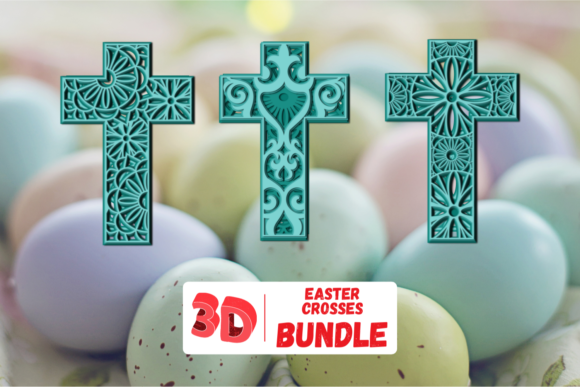
A 3D Cross typically refers to a geometric representation of a cross rendered with depth, perspective, or layered elements to create a three-dimensional appearance on a two-dimensional plane. In the context of digital crafting, this design serves as a template for creating physical objects ranging from wall art and religious symbols to decorative accents for home interiors. The value of the 3D Cross lies not just in its aesthetic appeal but in its accessibility. It is distributed as a comprehensive zipped folder containing four distinct file formats: SVG, DXF, PNG, and EPS. This variety ensures that users with different hardware capabilities and software preferences can utilize the design effectively.
When researchers evaluate digital craft assets, they often look for versatility. A single-file solution limits utility, whereas a multi-format bundle allows for greater flexibility. The inclusion of multiple extensions means that the user is not locked into a specific ecosystem. Whether one prefers open-source tools or industry-standard commercial software, the 3D Cross file adapts to the environment.
Format Breakdown and Software Compatibility
To make an informed decision, it is crucial to understand what each format offers and which software ecosystems support them. The choice of format often dictates the precision, scalability, and editing potential of the final cut.
SVG Files for Advanced Cutting Machines
The Scalable Vector Graphics (SVG) format is currently the gold standard for modern electronic cutting machines. It supports complex paths, layers, and color separation, making it ideal for intricate designs like the 3D Cross. This format is specifically optimized for use with:
- Cricut Design Space: The primary software for Cricut users, allowing for easy upload, resizing, and slicing of the design.
- Silhouette Designer Edition: Offers more advanced manipulation tools than the basic version, suitable for detailed layering.
- Make the Cut (MTC): A popular third-party software known for its robust file handling and ease of use.
- Sure Cuts A Lot (SCAL): Another powerful alternative that provides extensive control over cut lines and nesting.
- Brother ScanNCut Canvas: Essential for users of Brother’s scanning and cutting systems.
For users invested in these ecosystems, the SVG component of the 3D Cross download is the most critical asset. It ensures that the "3D" effect is achieved through precise layering and alignment during the cutting process.
DXF Files for Basic Operations
The Drawing Exchange Format (DXF) is a widely recognized vector format used primarily in CAD (Computer-Aided Design) environments. In the crafting world, it serves as a fallback for machines that do not support SVG natively. Specifically, the DXF file included in the 3D Cross package is compatible with Silhouette Basic Edition. While this version of the software lacks some of the advanced features found in the Designer Edition, it is sufficient for straightforward cutting tasks. If a user owns a Silhouette machine but prefers the free or entry-level software, the DXF file ensures the design remains usable without requiring a software upgrade.
EPS Files for Professional Design Software
Encapsulated PostScript (EPS) files are legacy vector formats that remain highly relevant in professional graphic design. They are supported by major desktop publishing applications, including CorelDRAW, Inkscape, and Adobe Illustrator. Users who prefer to design in these environments will find the EPS file invaluable. It allows for high-fidelity editing, color management, and integration into larger design projects. For instance, a designer might import the 3D Cross EPS file into Illustrator to add typography or adjust colors before exporting it back to a cutting-compatible format. This makes the EPS file particularly useful for professionals who need to customize the design extensively before production.
PNG Files for Visual Reference
The Portable Network Graphics (PNG) file serves a different purpose. Unlike vector formats, PNG is a raster image. However, the inclusion of a 300 DPI PNG with a transparent background adds significant value. High resolution ensures that the image is crisp enough for printing or high-quality visual mockups. The transparent background allows designers to overlay the 3D Cross onto various backgrounds to preview how it might look in a real-world setting. While a PNG cannot be directly cut by most electronic cutters due to its pixel-based nature, it acts as a vital reference file. It helps users verify the proportions and visual balance of the design before committing to material costs.
Evaluating Benefits and Tradeoffs
Adopting the 3D Cross file involves weighing several factors. The primary benefit is convenience. Having all necessary formats in one zipped folder eliminates the need to search for converters or purchase separate licenses for different file types. This consolidation saves time and reduces friction in the creative workflow.
Another advantage is the educational aspect. For beginners, seeing the same design across different formats provides insight into how vector data is structured. It demonstrates why certain software requires specific extensions and how layering creates the illusion of depth. This transparency can help users troubleshoot issues if a cut does not align perfectly.
However, there are tradeoffs to consider. The quality of the final product depends heavily on the user’s skill level in managing layers and registration marks. A 3D Cross relies on precise alignment; if the layers are not centered correctly in the software, the final physical object may appear skewed or misaligned. Additionally, while the file is versatile, it does not include instructions. Users must independently determine the best materials, blade depths, and pressure settings for their specific machine and substrate. This requires a baseline of knowledge or willingness to experiment.
Decision-Making Insights: Is 3D Cross Right for You?
Determining whether the 3D Cross file aligns with your needs depends on your current setup and goals. If you are a casual crafter using a Cricut Maker or Silhouette Cameo and want to produce quick, visually striking decorations, the SVG format provides a direct path to success. The availability of the DXF file also ensures that even those with older or budget-friendly equipment are not excluded.
Conversely, if you are a professional graphic designer looking to incorporate the symbol into a broader branding project, the EPS and PNG files offer the necessary fidelity and editing capabilities. The ability to manipulate the vector paths in Adobe Illustrator or CorelDRAW allows for customization that goes beyond simple cutting, enabling integration into logos, stationery, or marketing materials.
It is worth noting that alternatives exist. Many online marketplaces offer pre-made 3D crosses with varying levels of complexity. Some may include step-by-step assembly guides, while others might offer more intricate geometric patterns. When comparing options, consider the following:
- Layer Count: More layers generally create a deeper 3D effect but require more precise cutting and assembly time.
- File Cleanliness: Well-organized files with named layers save significant time during the design phase.
- Support: Check if the seller provides customer support or troubleshooting tips for common cutting errors.
In conclusion, the 3D Cross file represents a well-rounded resource for digital crafting. Its multi-format approach caters to a broad spectrum of users, from beginners using basic software to professionals utilizing advanced design suites. By providing SVG, DXF, EPS, and high-resolution PNG files, it removes technical barriers and empowers users to bring a classic symbol to life in tangible form. For anyone seeking a reliable, versatile, and accessible design asset, the 3D Cross stands out as a practical choice that balances ease of use with creative potential.