Laptop 3D Icon Table: A Design Resource Breakdown
In the fast-paced world of digital content creation, visual assets are no longer just decorative elements; they are functional tools that communicate complex ideas instantly. Among these, the Laptop 3D Icon Table has emerged as a versatile asset for designers, marketers, and educators alike. But what exactly does this term encompass, and more importantly, what value does it bring to your specific workflow? This article breaks down the components, formats, and practical applications of this design resource to help you determine if it fits your project needs.
Understanding the Core Asset
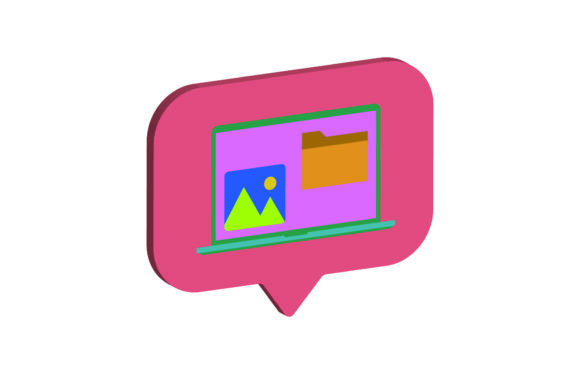
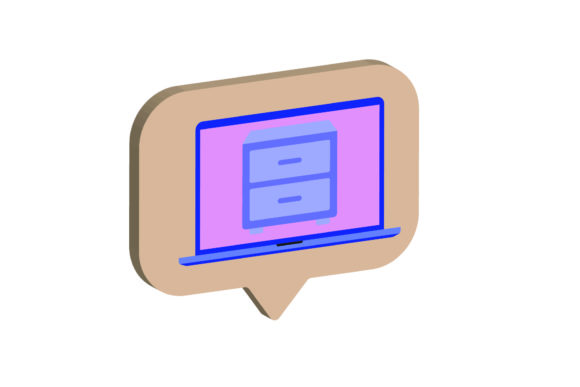
At its foundation, a Laptop 3D Icon Table refers to a collection of high-quality, three-dimensional representations of laptops, typically arranged in a structured or tabular format for easy selection and integration. These are not flat, two-dimensional clip art. Instead, they utilize depth, shading, and perspective to create realistic or stylized visuals that stand out in digital spaces. The primary appeal lies in their ability to convey technology, productivity, education, and modern business without requiring you to build the imagery from scratch.
The specific package described here includes six distinct digital files, each rendered at a resolution of 1920px by 1280px. This canvas size is significant because it exceeds standard HD dimensions, offering ample space for detailed editing, cropping, or use in large-format presentations. Whether you are designing a website hero banner, a social media post, or a printed brochure, having a source file with such high pixel density ensures that your graphics remain crisp and professional across various display types.
Why Format Diversity Matters
One of the most critical aspects of this asset pack is the variety of file formats provided. In the digital design ecosystem, different software and platforms require different file structures. By receiving the design in AI, EPS, SVG, DXF, JPG, and PNG formats, the asset becomes universally compatible. Let’s explore why this diversity is crucial for different types of users.
- Vector Files (AI, EPS, SVG): These are essential for scalability. If you need to resize a laptop icon from a small thumbnail to a massive billboard without losing quality, vector formats are non-negotiable. AI (Adobe Illustrator) and EPS (Encapsulated PostScript) files allow for deep editing of paths, colors, and shapes. SVG (Scalable Vector Graphics) is particularly valuable for web developers, as it loads quickly and remains sharp on any screen resolution.
- Cut Files (DXF): For those involved in physical production, the DXF file is a game-changer. This format is widely used by cutting machines like Cricut or Silhouette. If you are a hobbyist creating custom vinyl decals, t-shirt prints, or signage featuring laptop-themed designs, this file allows you to translate digital art into physical objects seamlessly.
- Raster Files (JPG, PNG): These are ready-to-use images. The PNG file likely includes transparency, allowing you to place the laptop icon over any background without a distracting white box. The JPG file offers a compressed option for quick uploads to websites or social media where file size matters but transparency isn’t required.
Perspectives Across Different Audiences
The utility of the Laptop 3D Icon Table varies significantly depending on who is using it. Here is how different groups might evaluate and utilize this resource.
For Beginners and Hobbyists
If you are just starting your journey in graphic design or crafting, the learning curve can be steep. Having pre-made, high-quality assets removes the barrier of entry. You do not need to master complex 3D modeling software to have professional-looking visuals. The inclusion of both raster and vector files means you can experiment freely. Use the PNG for quick blog posts or social media updates, and try opening the AI file to see how layers are organized. This educational aspect helps beginners understand structure and composition while producing polished results.
For Professional Designers and Developers
Experienced professionals prioritize efficiency and flexibility. When working under tight deadlines, sourcing reliable assets is key. The 1920x1280px resolution provides enough detail for high-end print work, while the vector formats ensure that the graphics can be integrated into larger layouts without pixelation. For web developers, the SVG file is invaluable for responsive design, ensuring that icons scale perfectly on mobile devices. The ability to edit the AI or EPS files allows for brand customization, changing colors to match specific corporate identities or adjusting shadows to fit a particular lighting scheme.
For Educators and Content Creators
Educators often struggle to find engaging visuals that explain technical concepts clearly. A 3D laptop icon can serve as a visual anchor in lesson plans about remote learning, coding, or digital literacy. The clean, modern look of these icons helps maintain student attention. Furthermore, bloggers and influencers can use these assets to create consistent branding across their platforms. The variety of formats means an educator can use the JPG for slides, the SVG for interactive web quizzes, and the DXF for creating physical classroom rewards or decorations.
For Small Business Owners and Marketers
Marketing materials must convey trust and professionalism. Low-quality, pixelated graphics can undermine a brand’s credibility. The Laptop 3D Icon Table offers a cost-effective solution for businesses that cannot afford custom 3D illustration services. Whether promoting a new software tool, advertising online courses, or showcasing tech-related services, these icons provide a premium look. The commercial versatility of the formats means the same asset can be used in email newsletters, landing pages, and even merchandise, maximizing the return on investment.
Evaluating Practical Application
When considering whether to incorporate the Laptop 3D Icon Table into your projects, consider the following practical factors:
- Ease of Use: Does the file structure make sense? With multiple formats, you should be able to open the asset in your preferred software immediately. Test the PNG transparency and the SVG code integrity before committing to large-scale projects.
- Quality and Detail: At 1920x1280px, inspect the edges and gradients. Are the shadows natural? Is the reflection realistic? High-quality 3D icons should feel tangible, not flat or artificial.
- Flexibility: Can you modify the design? If you need to change the laptop color to match your brand, ensure the vector files (AI/EPS/SVG) allow for easy color swapping. If you need to remove the table context, check if the layers are separated logically.
- Long-term Usefulness: Technology trends shift, but the laptop remains a universal symbol of work and creativity. Assets that are timeless in their representation offer better long-term value than trendy, niche-specific graphics.
Making the Right Choice
Ultimately, the decision to use the Laptop 3D Icon Table depends on your specific goals. If you need quick, high-impact visuals for social media, the JPG and PNG files will serve you well. If you are building a scalable brand identity or a responsive website, the vector formats are indispensable. For those bridging the gap between digital and physical media, the DXF file opens up exciting possibilities for crafting and printing.
By understanding the strengths of each format and recognizing how different audiences leverage these assets, you can make informed decisions that enhance your creative output. The Laptop 3D Icon Table is not just a picture of a computer; it is a multifaceted tool designed to support a wide range of creative and professional endeavors. Take the time to explore the files, test them in your workflows, and integrate them into your projects with confidence.