3D Icon Laptop Money: Integrating High-Quality Digital Assets into Professional Workflows
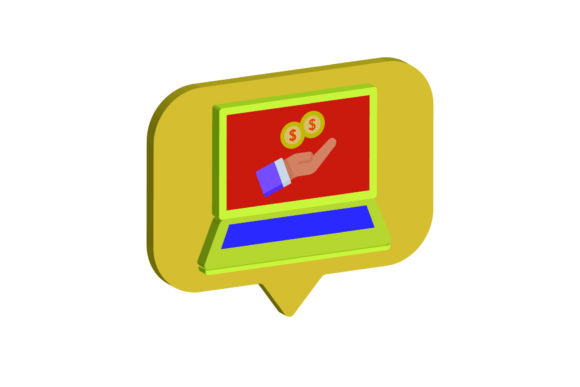
In the modern digital landscape, visual communication is not merely an aesthetic choice; it is a functional component of how information is processed and understood. For professionals, creators, and entrepreneurs, the efficiency of a design workflow often hinges on the quality and versatility of the assets used. One such asset that has gained significant traction in recent years is the 3D Icon Laptop Money. This specific graphic element represents more than just a static image; it serves as a versatile symbol for finance, technology, remote work, and digital transactions. Understanding how to properly acquire, manage, and implement this asset can streamline projects ranging from marketing campaigns to educational materials.
The core value of using a dedicated 3D icon lies in its ability to convey complex concepts instantly. A laptop with money imagery immediately signals themes of online earning, fintech solutions, e-commerce, or financial education. However, the utility of this icon extends far beyond its initial appearance. It is the file formats, resolution, and editability that determine its true worth in a professional setting. When evaluating digital assets, one must look past the visual appeal and consider the technical specifications that allow for seamless integration into various design environments.
Understanding the Asset Specifications
To effectively utilize the 3D Icon Laptop Money, it is crucial to understand what constitutes a high-quality digital deliverable. A robust package typically includes six distinct digital files, ensuring compatibility across different software ecosystems and output requirements. The standard canvas size for these assets is 1920px by 1280px, providing ample resolution for both web display and print applications without compromising clarity.
The inclusion of multiple file formats addresses the diverse needs of modern workflows. Here is a breakdown of the typical components included in such a premium asset pack:
- AI File (Adobe Illustrator): Essential for vector-based editing. This format allows designers to manipulate shapes, colors, and gradients non-destructively, making it ideal for customizing the icon to match brand guidelines.
- EPS File (Encapsulated PostScript): A widely supported vector format that ensures compatibility with older versions of design software and various printing presses. It is particularly useful when working with large-format printers or legacy systems.
- SVG File (Scalable Vector Graphics): The gold standard for web design. SVGs are resolution-independent, meaning they remain crisp on any screen size, from mobile devices to 4K monitors. They also offer smaller file sizes compared to raster images, contributing to faster page load times.
- DXF File (Drawing Exchange Format): Critical for users involved in physical production, such as laser cutting or CNC routing. This format bridges the gap between digital design and physical fabrication, allowing the icon to be translated into tangible objects like signage or merchandise.
- JPG File (Joint Photographic Experts Group): A raster format suitable for quick previews, social media posts, and contexts where vector editing is unnecessary. It offers broad compatibility but lacks scalability.
- PNG File (Portable Network Graphics): Another raster format, but with support for transparency. This is indispensable for overlaying the icon onto different backgrounds without unwanted white boxes or borders.
Strategic Integration into Design Workflows
The acquisition of these files is only the first step. The real value emerges during the implementation phase. Professionals must consider how the 3D Icon Laptop Money fits into their broader creative process. Whether you are designing a landing page for a new fintech startup, creating educational content for freelancers, or developing marketing materials for small business owners, the context dictates how the asset should be handled.
For web developers and UI/UX designers, the SVG and PNG files are primary tools. The SVG file allows for dynamic styling via CSS, enabling hover effects, color transitions, and responsive scaling. This interactivity enhances user experience, making financial concepts feel more engaging and accessible. Meanwhile, the PNG file serves as a fallback for browsers that may have limited SVG support or for use in email newsletters where vector support can be inconsistent.
In contrast, graphic designers working on print collateral will rely heavily on the AI and EPS files. These formats ensure that the 3D rendering maintains its depth and shading details even when scaled up for brochures, posters, or business cards. The DXF file opens up possibilities for hybrid projects, such as creating physical awards or promotional items that feature the same branding as the digital campaign. This consistency across digital and physical touchpoints reinforces brand recognition and professionalism.
Optimizing for Efficiency and Consistency
Efficiency in design is not just about speed; it is about reducing friction in the creative process. Having access to a comprehensive set of formats eliminates the need for time-consuming conversions or re-creation of assets. When a project requires adaptation for different platforms—such as resizing for Instagram stories versus preparing a high-resolution PDF for client presentation—the availability of pre-formatted files saves valuable hours.
Furthermore, organization plays a key role in maintaining workflow efficiency. Upon receiving the six digital files, it is advisable to establish a clear folder structure. Separate directories for vector sources, raster outputs, and export-ready files help keep the project tidy. Naming conventions should be consistent, reflecting the file type and intended use. For example, naming a file "LaptopMoney_Icon_Print.ai" versus "LaptopMoney_Icon_Web.svg" provides immediate context, reducing the risk of using the wrong version in a final deliverable.
Quality control is another critical factor. Before integrating the 3D Icon Laptop Money into a final design, always review the asset at 100% zoom to check for any artifacts or inconsistencies in the 3D rendering. In vector formats, verify that all layers are properly grouped and labeled. This preparation ensures that future edits are straightforward and that the asset remains editable if project requirements change later in the development cycle.
Practical Use Cases and Applications
The versatility of this asset makes it suitable for a wide array of industries. For educators and bloggers, the icon can illustrate articles about passive income, online courses, or digital nomad lifestyles. Its 3D style adds a modern, polished look that captures attention in crowded content feeds. Marketers can use the JPG and PNG versions in social media ads to highlight promotions related to financial literacy or tech products.
Entrepreneurs and small business owners benefit from the ease of customization provided by the AI and EPS files. They can adjust the color palette to align with their corporate identity, ensuring that the icon feels like a native part of their brand rather than a generic stock image. This level of customization builds trust and authenticity, which are crucial in the financial and tech sectors.
For hobbyists and makers, the DXF file unlocks creative potential in crafting. The icon can be cut from wood, acrylic, or metal to create unique desk accessories, wall art, or gift items. This application transforms a digital asset into a physical product, expanding the scope of its utility beyond traditional design boundaries.
Long-Term Value and Maintenance
Investing in high-quality, multi-format assets like the 3D Icon Laptop Money offers long-term benefits. As design trends evolve, having the source files allows for easy updates. If a new color trend emerges or a brand refresh is needed, the AI file can be modified quickly without starting from scratch. This flexibility reduces the total cost of ownership over time, as the asset remains relevant and usable across multiple projects and years.
Additionally, storing these files in a secure, backed-up location ensures that they are available whenever needed. Cloud storage solutions with version control can further enhance this process, allowing teams to collaborate and track changes to the asset. By treating digital assets as strategic resources rather than disposable graphics, professionals can build a library of tools that consistently supports their creative and business goals.
In conclusion, the 3D Icon Laptop Money is more than just a visual element; it is a multifaceted tool designed to enhance communication and efficiency. By understanding its technical specifications, integrating it thoughtfully into workflows, and leveraging its various formats, users can maximize its impact. Whether for digital displays, print media, or physical production, this asset provides the foundation for professional, cohesive, and effective design outcomes.