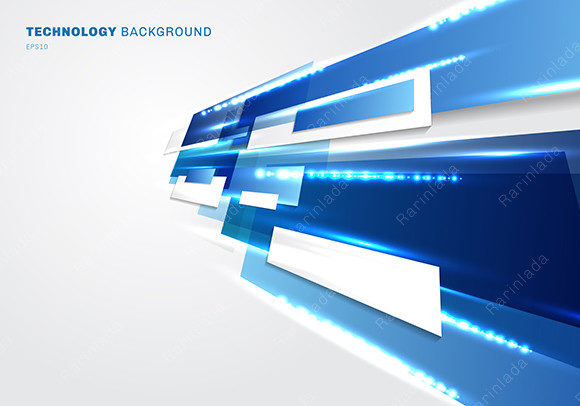
3D Blue and White Rectangles Lighting
In the landscape of modern digital design, clarity is currency. Audiences are bombarded with visual noise daily, making clean, structured, and aesthetically pleasing graphics not just a luxury, but a necessity. This is where 3D Blue and White Rectangles Lighting steps in as a powerful tool for creators who value precision, professionalism, and futuristic elegance. By combining geometric simplicity with dynamic lighting effects, this concept offers a versatile foundation for everything from high-end tech presentations to minimalist branding assets.
The appeal of this specific aesthetic lies in its balance. The use of blue and white creates an immediate association with trust, technology, and cleanliness—qualities highly sought after in corporate and digital environments. Meanwhile, the rectangular forms provide a sense of order and stability. When you introduce 3D rendering and lighting effects, these static shapes come alive, adding depth, dimension, and a tactile quality that flat vectors often lack. It is a design language that speaks to innovation without sacrificing readability or focus.
Why Geometry and Light Matter in Digital Design
At its core, 3D Blue and White Rectangles Lighting is about guiding the viewer’s eye. In a crowded digital space, your audience decides within seconds whether to engage with your content. Complex, cluttered visuals can cause cognitive overload, leading users to scroll past. Conversely, designs that utilize negative space, strong geometric lines, and strategic lighting tend to perform better because they reduce friction.
The interplay of light and shadow on three-dimensional rectangles allows designers to create hierarchy. A brightly lit edge might draw attention to a key feature, while softer shadows can suggest depth and separation between elements. This technique is particularly effective when illustrating concepts like data processing, cloud storage, network connectivity, or structural integrity. The abstract nature of the shapes means they are not tied to any single industry, making them universally applicable yet distinctly professional.
Furthermore, the choice of blue and white is psychologically grounded. Blue is often associated with intelligence, calm, and reliability, while white represents purity, simplicity, and openness. Together, they form a palette that is easy on the eyes and conveys a message of transparency and efficiency. This makes the style ideal for sectors ranging from healthcare and finance to software development and educational platforms.
Creative Applications Across Industries
One of the greatest strengths of vector-based 3D illustrations is their scalability and adaptability. Because the source files are fully editable, you can tailor the 3D Blue and White Rectangles Lighting concept to fit almost any project requirement. Here is how different professionals can leverage this asset:
- Tech Startups and SaaS Companies: Use the illuminated rectangles to represent servers, data blocks, or modular software components. The futuristic lighting effect reinforces the idea of cutting-edge technology and seamless integration.
- Corporate Presentations: Replace generic stock photos with custom 3D graphics for slide decks. The clean lines and cool color palette project authority and competence, helping to keep stakeholders focused on the data rather than distracted by busy backgrounds.
- Web Design and UI/UX: Incorporate these elements as background textures or hero section accents. The high-resolution nature (300 dpi) ensures they look crisp on retina displays, enhancing the perceived quality of the website.
- Educational Materials: For educators and bloggers, these graphics can simplify complex topics. Abstract representations of networks or structures can help students visualize intangible concepts like cybersecurity protocols or architectural planning.
- Marketing Campaigns: Entrepreneurs launching new products can use the "copy space" inherent in these designs to overlay text or product shots. The lighting naturally frames the center, creating a perfect spotlight for your call-to-action.
Technical Advantages of Vector-Based 3D Art
While many assume that 3D art must be rendered in heavy raster formats, using vector foundations offers distinct advantages for long-term project management. The file description highlights that this design includes EPS Version 10 and JPG formats, ensuring compatibility with major graphic programs like Adobe Illustrator and Corel Draw.
Scalability Without Quality Loss: Unlike pixel-based images, vector graphics can be resized to any dimension—from a tiny favicon to a massive billboard—without becoming blurry or pixelated. This is crucial for responsive web design, where assets must adapt to various screen sizes seamlessly.
Editability and Customization: Being fully editable means you are not stuck with a pre-made image. You can adjust the hue of the blue to match your brand guidelines, alter the angle of the light source to change the mood, or rearrange the rectangles to fit a specific layout. This level of control empowers designers to make the asset truly their own, avoiding the "stock photo" feel that can dilute brand identity.
High Resolution Readiness: With a resolution of 300 dpi, these files are print-ready. Whether you are producing physical brochures, business cards, or large-format banners, the sharpness of the vector edges combined with the smooth gradients of the lighting effect will ensure a premium finish. There are no watermarks to obscure your work, allowing for immediate commercial use.
Best Practices for Implementation
To get the most out of 3D Blue and White Rectangles Lighting, consider the context in which you place it. While the design is robust, its effectiveness depends on how it is integrated into your broader visual strategy.
First, maintain consistency in lighting direction. If your other graphics use a top-left light source, try to align the shadows and highlights of the rectangles accordingly. This subtle coherence makes your overall design system feel more polished and intentional.
Second, leverage the copy space effectively. These illustrations are designed with room for text, but avoid overcrowding. Let the geometry breathe. Use ample padding around the text to ensure legibility, especially on mobile devices where screen real estate is limited.
Third, experiment with opacity and layering. Since the files are vector-based, you can layer multiple sets of rectangles with varying opacities to create complex, multi-depth backgrounds. This adds a layer of sophistication without introducing clutter. You might also pair the blue and white palette with a neutral accent color, such as gray or silver, to enhance the metallic or glass-like appearance of the lighting effects.
Conclusion: Building a Future-Ready Visual Identity
In an era where digital presence defines credibility, investing in high-quality, adaptable design assets is a smart move. 3D Blue and White Rectangles Lighting offers more than just a pretty picture; it provides a structural framework for communicating ideas clearly and professionally. Its combination of geometric rigor, atmospheric lighting, and technical flexibility makes it a valuable addition to any designer’s toolkit.
Whether you are crafting a pitch deck for investors, designing a landing page for a new app, or creating educational content for a global audience, this style helps bridge the gap between abstract concepts and tangible understanding. By utilizing these vector resources, you ensure that your work remains scalable, editable, and visually striking across all platforms. Embrace the clarity of geometry and the depth of light to elevate your creative output and connect more effectively with your audience.